O
High-protein
Favor
- Lean meat
- Fish
- Vegetables
- Fruit
- Olive oil
Limit
- Wheat and grains
- Dairy
- Beans and legumes
Evidence-informed biohacking
Bioselfcare curates research-backed nutrients for people who treat recovery, cognition, and midlife wellness as seriously as training. Our collection also includes traditional herbal supplements used for generations in the tribal and folk medicine of Native American peoples, Northern Russians, Mongolians, and Siberian communities. Clear education. No hype. No medical claims.
Educational content only. Not intended to diagnose, treat, cure, or prevent any disease.
From plant to lab

Named ingredients with sensible, studied dose ranges
Plain-language benefits without medical overreach
Purity, third-party testing mindset, clean labels
Mental health, focus, sleep, menopause, immune, skin & more
Categories
Ten pillars spanning mood, focus, sleep, menopause, menopausal cosmetic support, immune health, antioxidants, traditional teas, mature facial care, and recovery, always with your clinician’s guidance where needed.
Insomnia during menopause guide
Night sweats, hot flashes & sleep — see the guide
Skin, hair and nails during and after menopause · coming soon
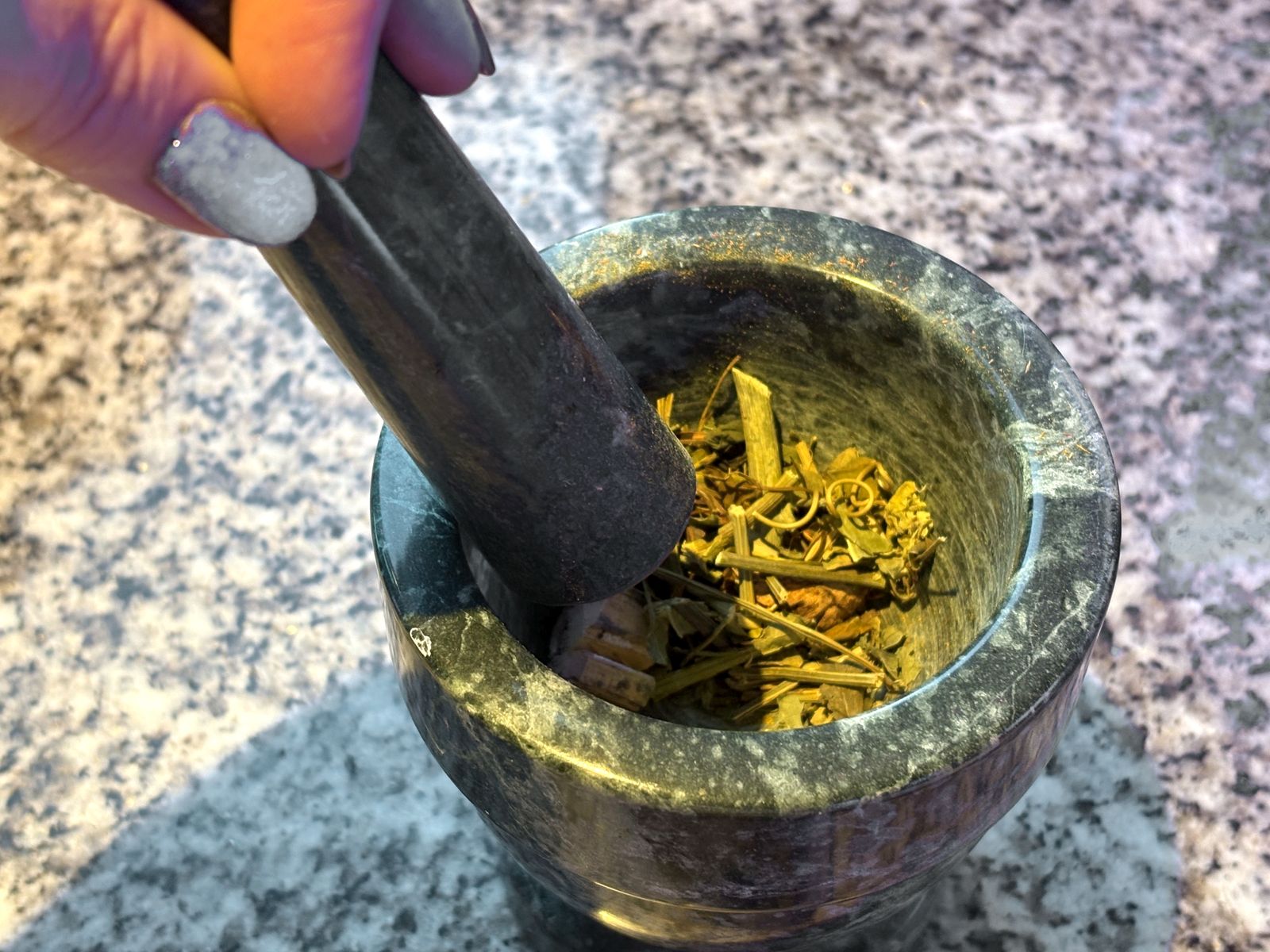
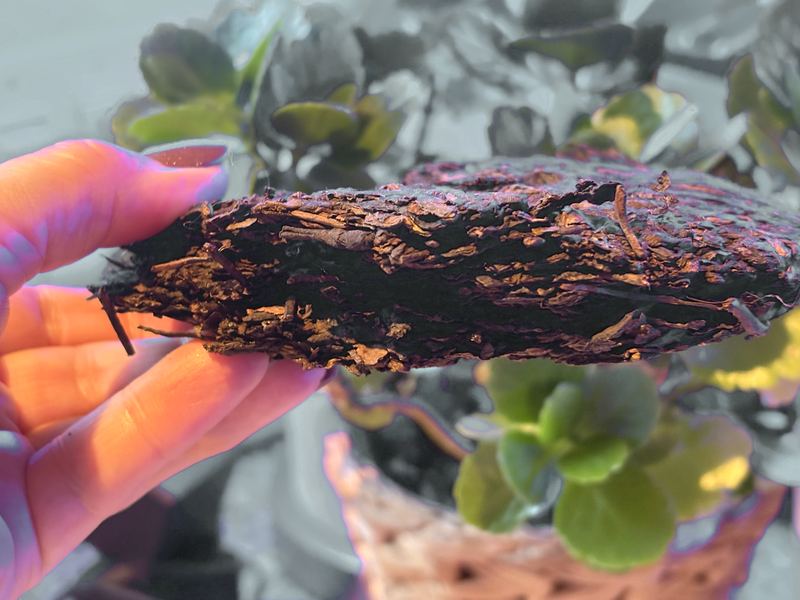
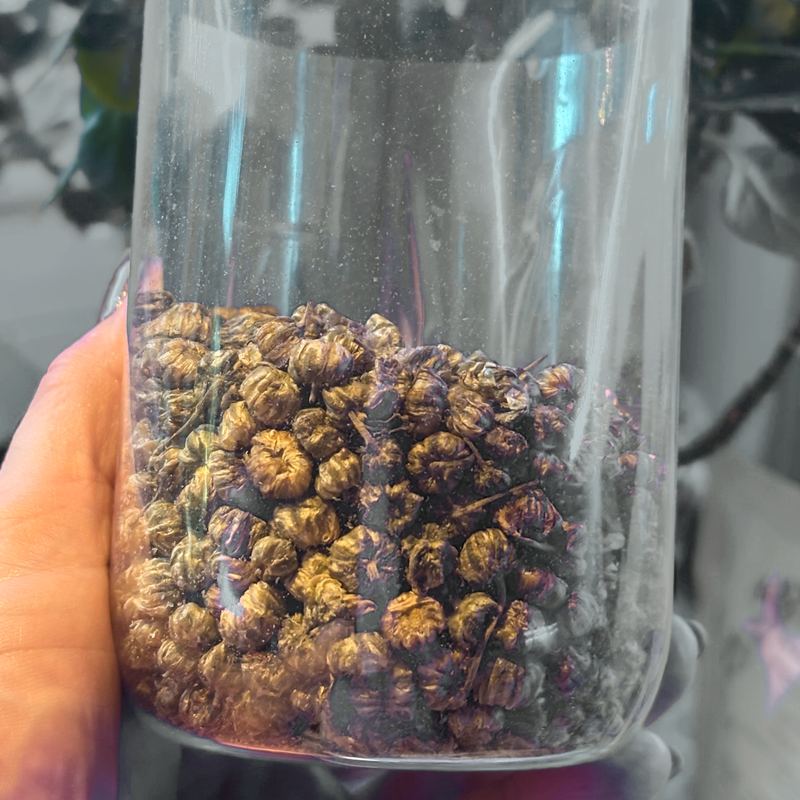
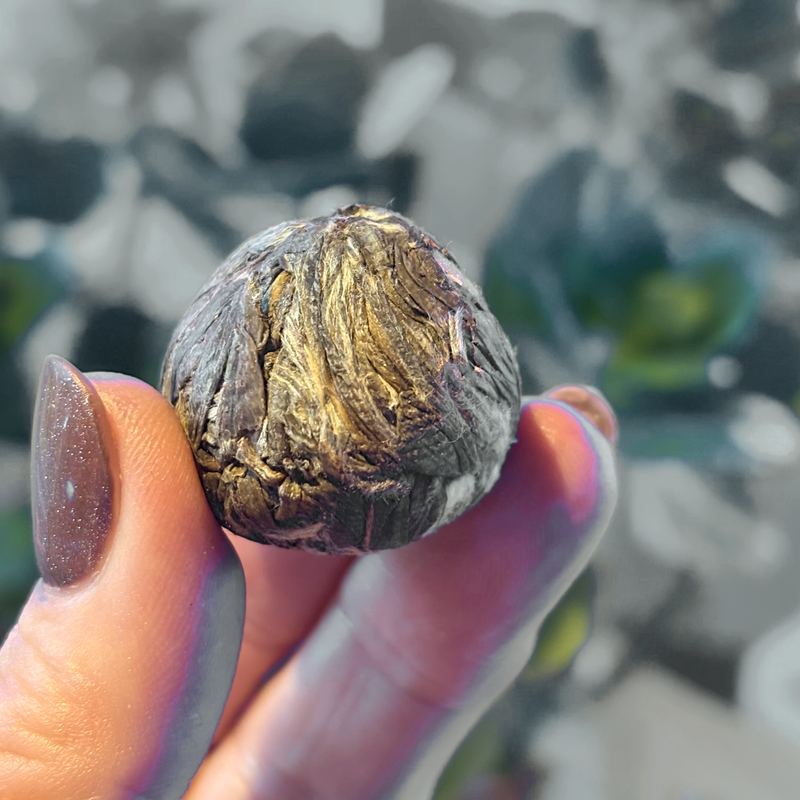
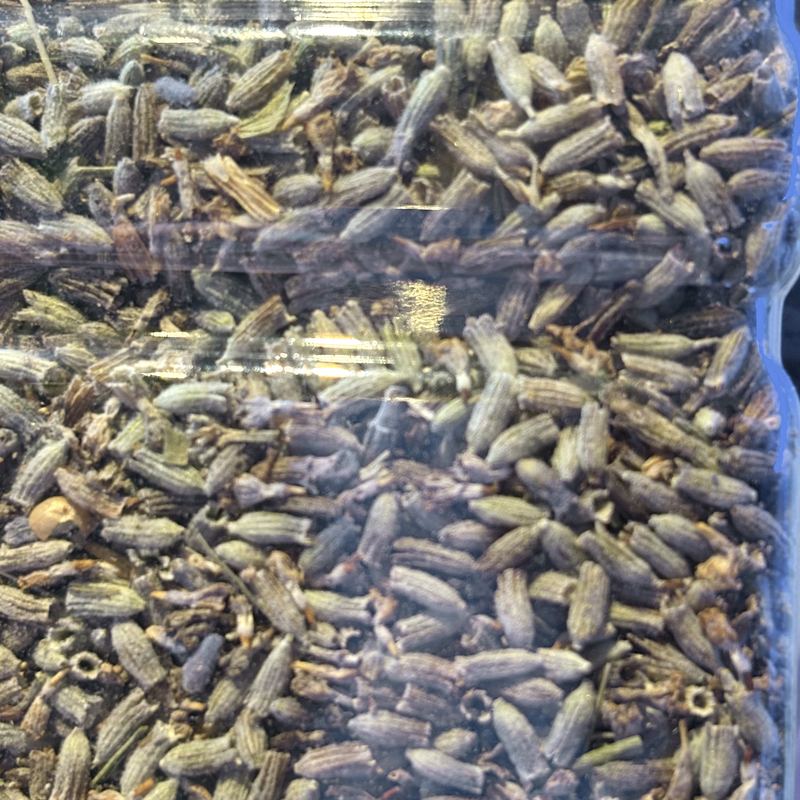
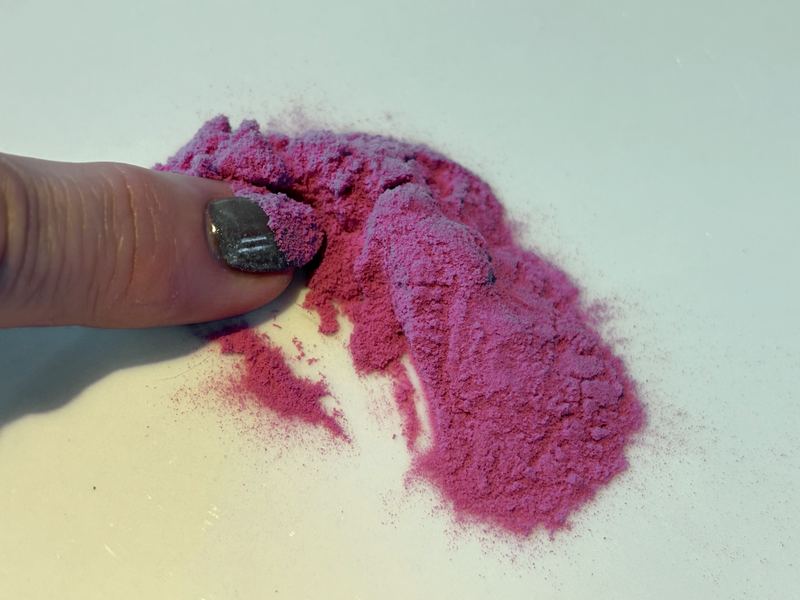
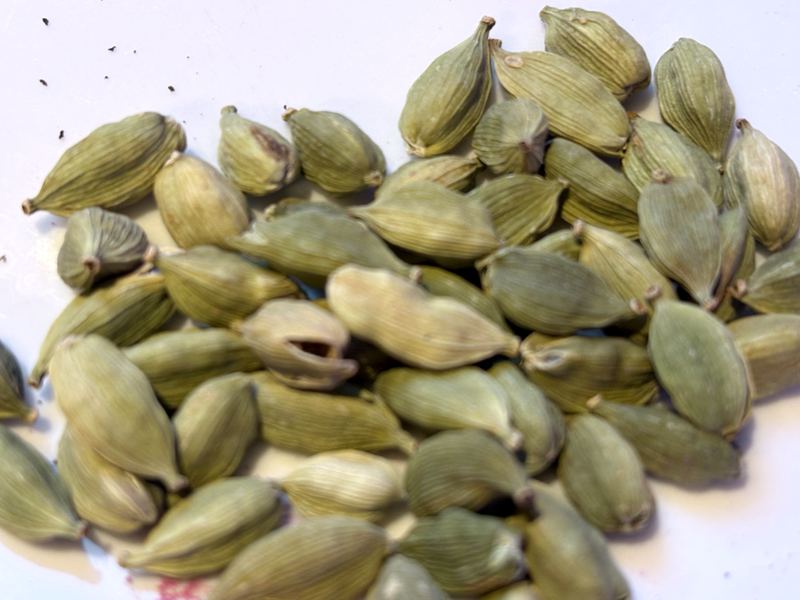
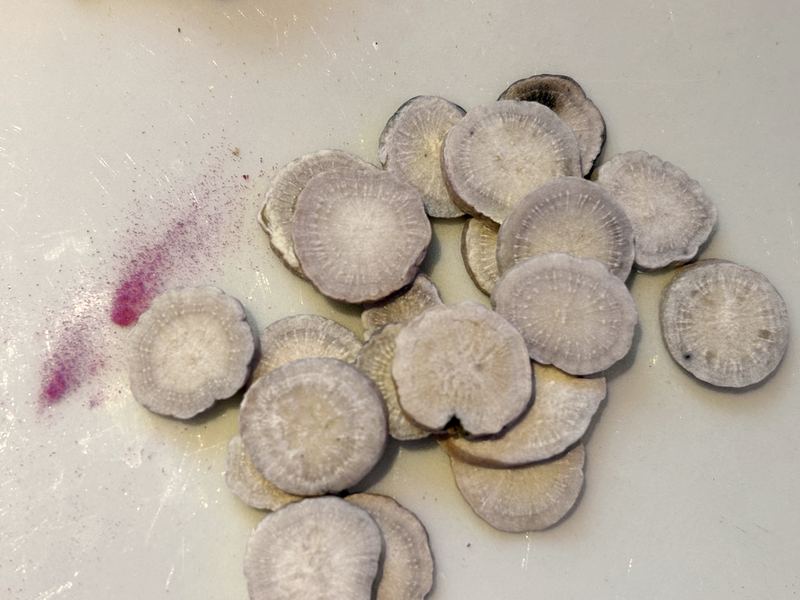
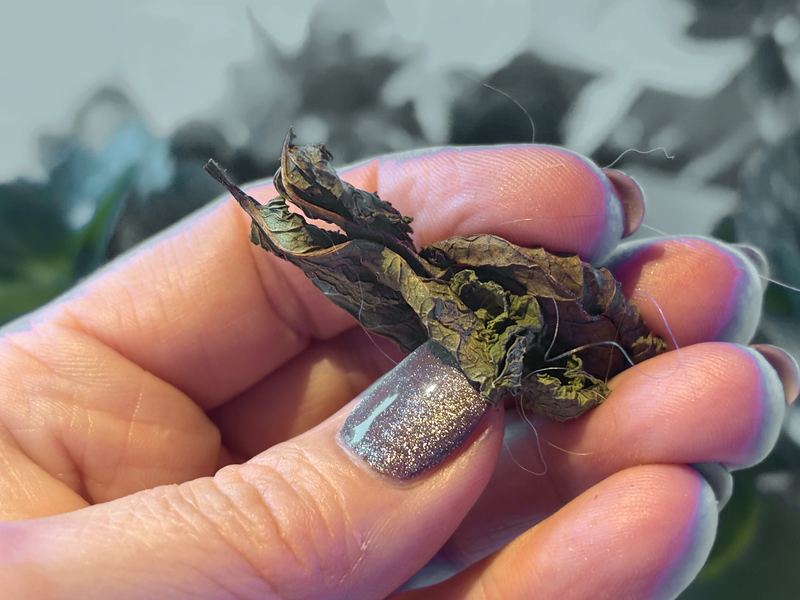
Real photos, no stock images
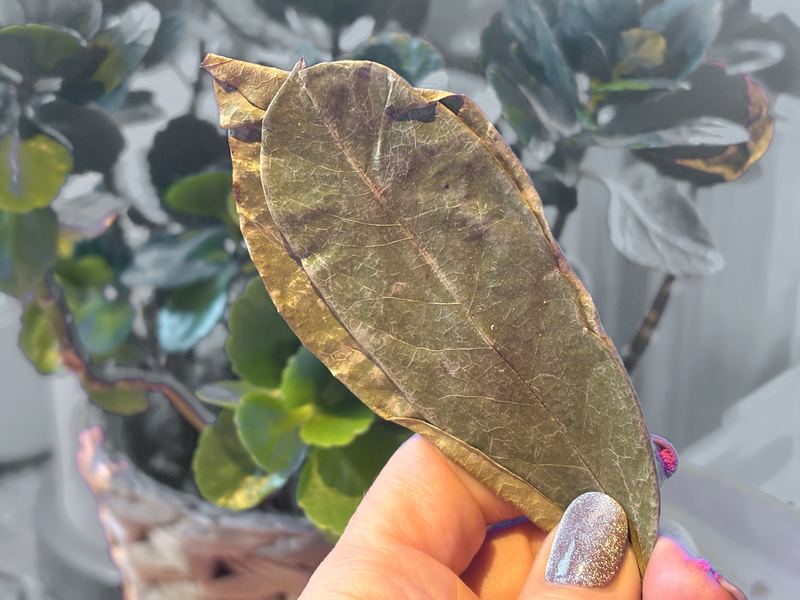
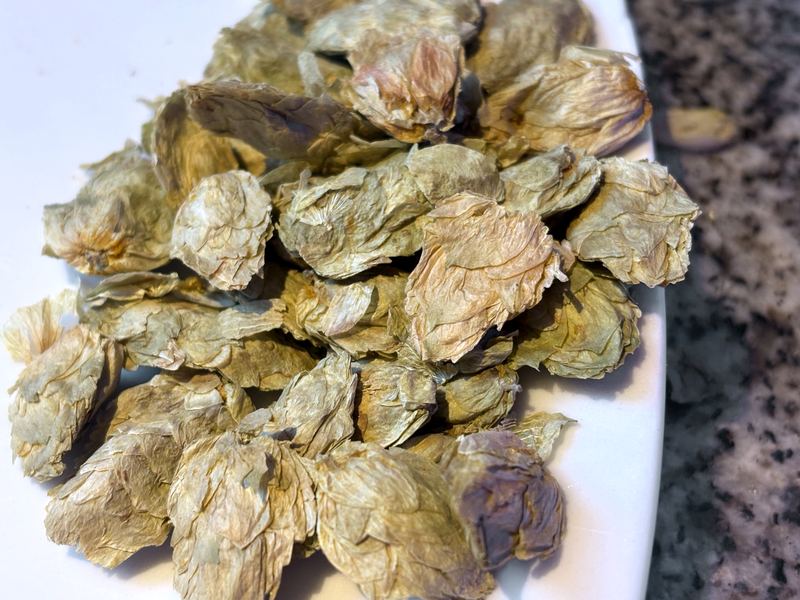
Herbs, roots and teas from my own shelf, photographed at home. You will find their names on the Supplements page.
How we think
Bioselfcare is built for curious adults who want clarity before they buy — and habits that outlast any bottle.
Sleep, protein, daylight, and movement do more than any capsule. Supplements fill gaps — they don’t replace foundations.
We spotlight compounds with human research trails and realistic dosing ranges, not proprietary mystery blends.
Labs, life stage, and personal response matter — including menopause and cognition goals. Personalize with professional guidance.
Tell us your goals — mental wellness, focus, sleep, menopause support, immune health, antioxidants, or skin after 40. Educational guidance only.
Nutrition culture
The blood type diet was introduced in 1996 by Peter D’Adamo, an American naturopathic doctor, in his book Eat Right 4 Your Type. It became especially popular in Japan, where blood type (ketsueki-gata) is a well-known part of everyday culture and a common topic of conversation. Here is a simple overview of what the diet suggests for each type.
Research note: studies so far (for example a 2014 University of Toronto study published in PLOS ONE) found that these diets can improve health markers, but the benefits were not linked to a person’s blood type. Share for education only; talk to your healthcare provider before changing your diet.
High-protein
Mostly plant-based
Balanced and varied
A mix of A and B